
Beginner Due Diligence Checklist: What to Check Before Buying a Website
Buying an online asset can feel exciting — but if you’re new, it’s easy to overlook important signals.
Due diligence simply means checking what you’re getting before you decide.
This checklist explains what beginners usually verify first, without requiring paid tools or deep technical knowledge.
You can use it whether you’re browsing listings or evaluating an old website you already own.
Affiliate Disclosure: This post contains affiliate links to various tools and marketplaces. If you click and take action, we may earn a commission at no additional cost to you. This helps us keep our educational content free. You can read our full disclaimer here.
This guide is educational — not investment advice. We do not recommend purchasing anything.
Understanding signals helps avoid common mistakes.
1) Content & Niche
Start with what the website is about, not what it earned.
Check:
- Is the niche active or declining?
- Are articles written for humans, not search engines?
- Is the content specific and focused?
- Are there clear categories, tags, or themes?
Simple test:
Can you describe the site’s purpose in one sentence?
If not, rebuilding or ranking may be harder.
2) Traffic & Visibility
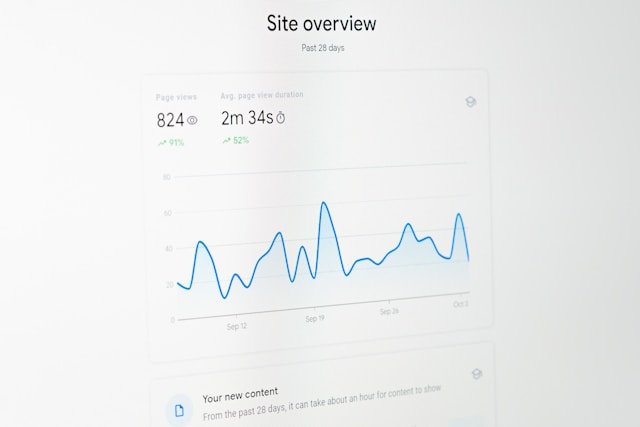
Beginners often look only at monthly traffic — but trends and sources matter more.
Check:
- Is the traffic stable, growing, or falling?
- Does most traffic come from search or social?
- Are traffic spikes tied to specific posts?
- Is the site still indexed in Google?
Beginner method:
Search:
site:example.com
If nothing shows, indexing may be an issue.
3) Backlinks & Mentions
Backlinks give clues about past trust, but volume alone doesn’t mean quality.
Check:
- Are there backlinks from real websites?
- Are they relevant to the niche?
- Do links look natural or automated?
You don’t need advanced tools — even page source + Google can reveal mentions.
Learn more:
Do old websites still have value?
4) Revenue & Monetization (If Listed)
For beginners, verification beats spreadsheets.
Check:
- Are screenshots consistent with claims?
- Is revenue tied to organic traffic or paid ads?
- Is monetization method easy to understand?
- Would revenue continue without major changes?
Important:
Future earnings are never guaranteed.
Due diligence confirms the present — not the future.
5) Ownership & Access
Before anyone buys anything, ownership clarity matters.
Check:
- Who owns the domain?
- Can ownership be transferred?
- Are social accounts included?
- Are digital products or courses included?
If unclear → ask questions, don’t assume.
6) Work Required After Purchase
Many beginners underestimate the effort needed to improve a site.
Check:
- Are articles outdated?
- Does design need modernizing?
- Will images need licenses or replacement?
- Does the niche require expertise?
Buying a website means buying the maintenance too.
7) Risks & Red Flags
Some signals suggest extra caution.
Watch for:
- Traffic suddenly dropped
- Content inconsistent in tone or quality
- Unnatural backlink patterns
- Revenue depends on a single page or post
- Seller avoids direct answers
Not all red flags are deal-breakers — but they should be understood.
8) Ask Yourself
Before considering price or negotiation:
- Do I understand this niche?
- Would I rebuild, repurpose, or maintain?
- What skills would I need?
- Am I ready for gradual improvement?
Most website success comes after purchase, not because of it.
💡 What most beginners do first
Before thinking about buying, many people:
1 → Discover what digital assets they already own
→ /check/
2 → Understand signals
→ /learn/
3 → Learn how marketplaces work
→ /learn/how-website-marketplaces-work/
4 → Browse listings to observe patterns
→ /trusted-marketplaces/
This builds understanding without pressure.
Conclusion
Due diligence is not about predicting the future —
it’s about verifying the present so you can think clearly.
You don’t need advanced tools or technical skills to begin.
You just need patience, attention, and realistic expectations.
Whether you choose to buy, rebuild, or sell,
understanding signals gives you control over your decisions.
Disclosure
Some pages may contain affiliate links. We include tools commonly used for discovery and learning. This guide is educational only and does not provide investment or financial advice.




One Comment